Facilities
Infrastructure summary
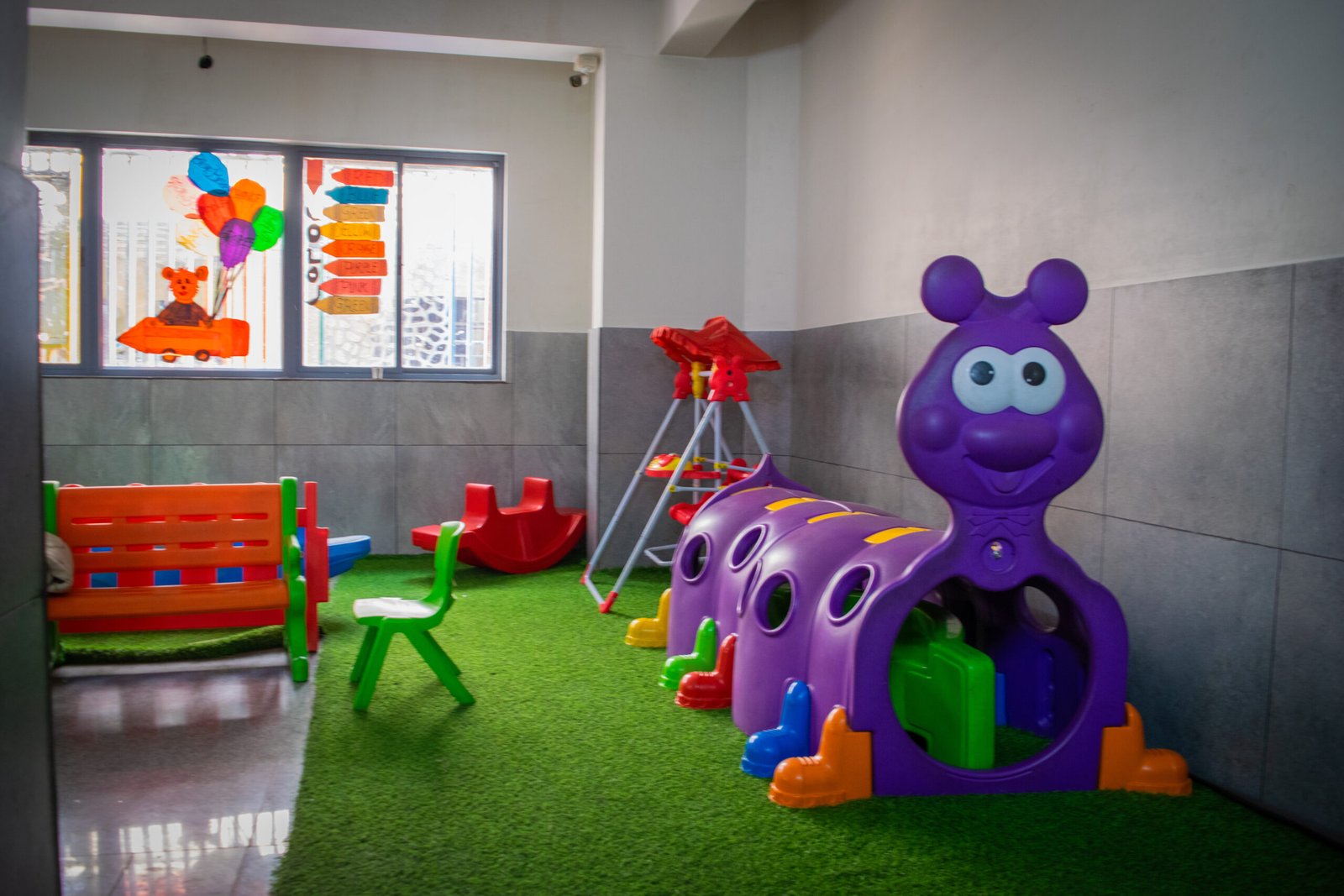
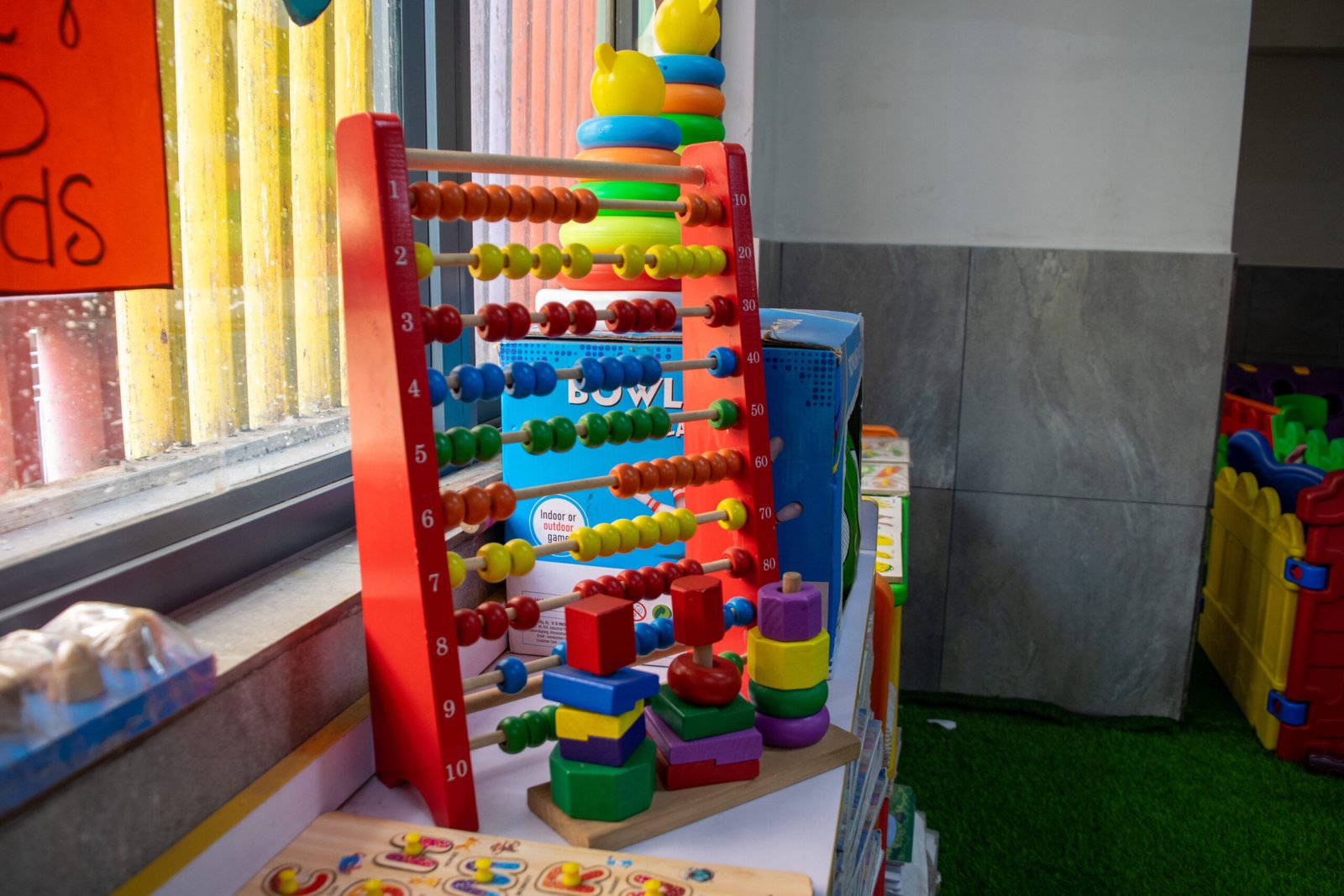
Campus infrastructure encompasses the physical and technological assets that support the entire educational and operational environment of an institution. It is fundamental to the daily life and long-term success of students, faculty, and staff. Investing in and upgrading campus infrastructure is a continuous process essential for delivering a high-quality, 21st-century educational experience. Attracts prospective students and faculty by demonstrating a commitment to quality and innovation.
Administrative & Operational Offices for admissions, finance, and academic departments, maintenance buildings, and parking facilities.
Classrooms
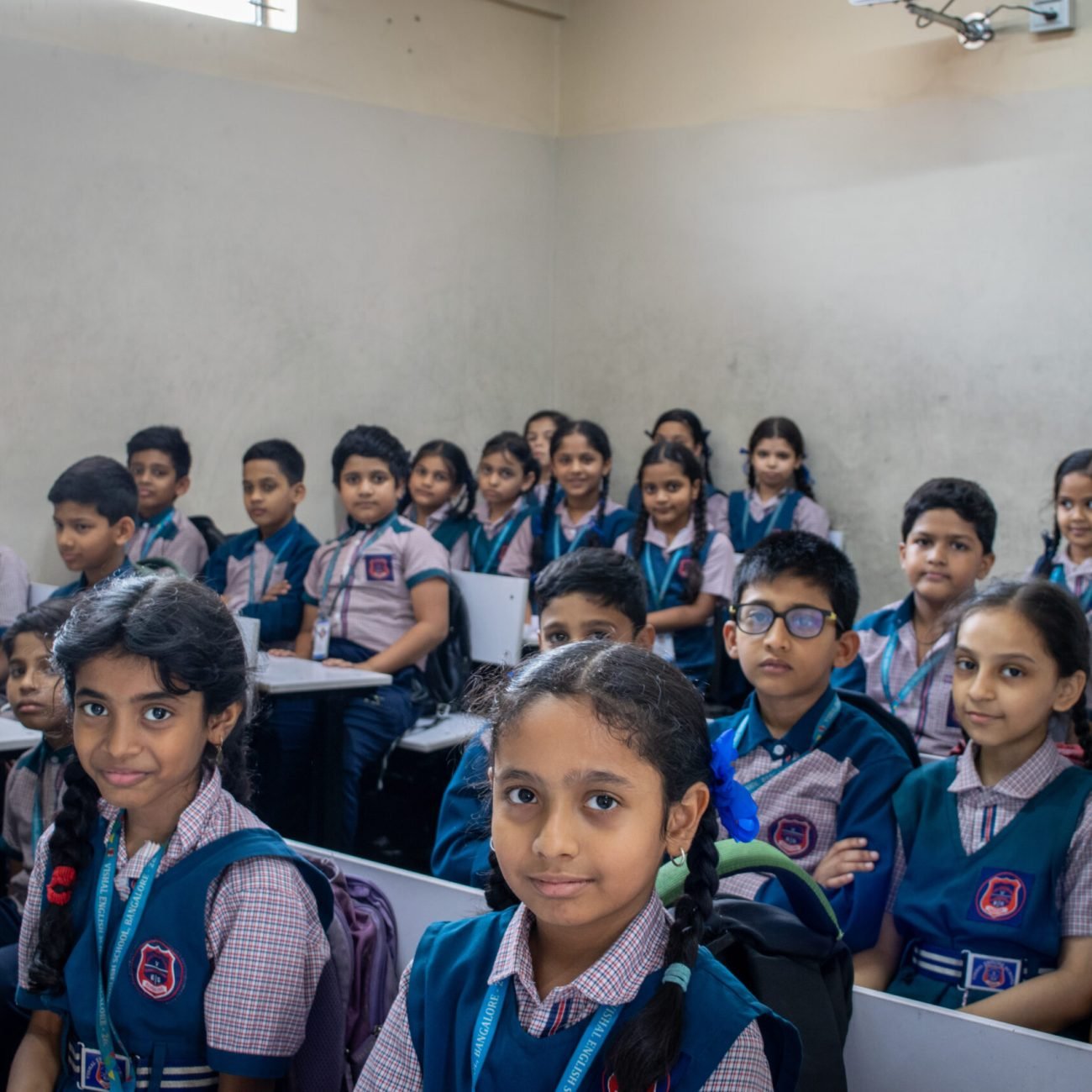
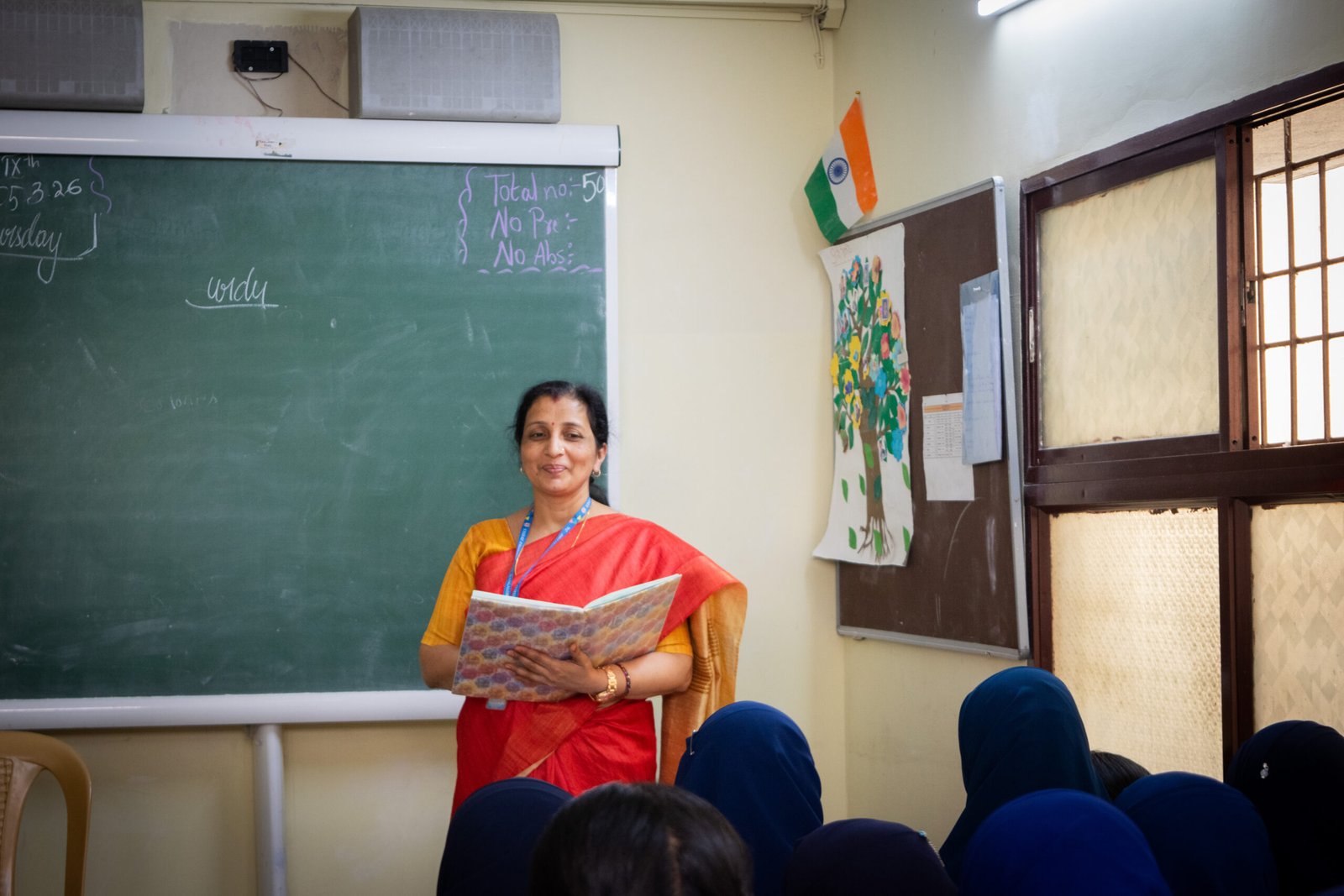
Classroom
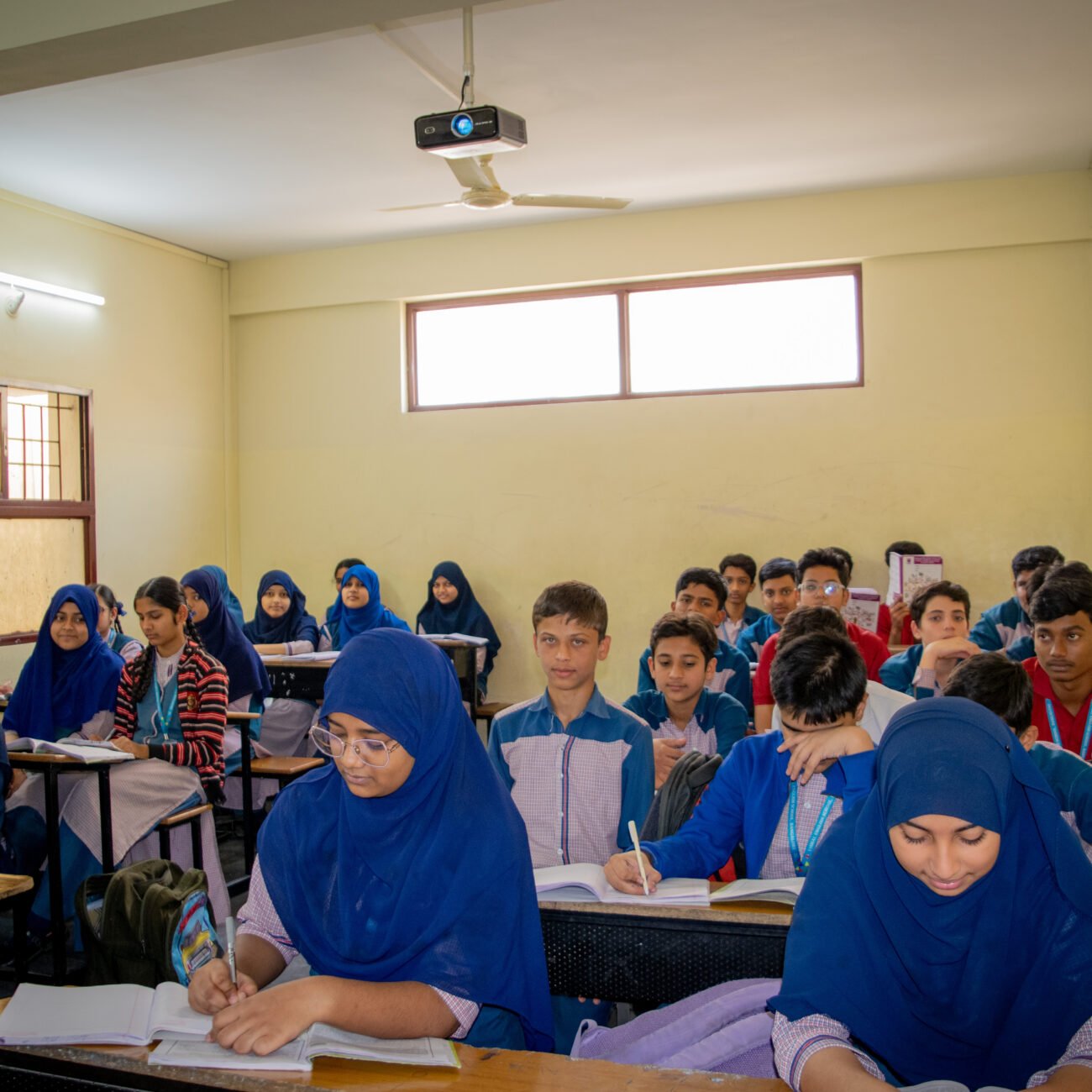
A classroom is fundamentally a learning space, typically a room in an educational institution, where students and an instructor meet to engage in learning activities. It serves as a dedicated environment for formal education, enabling structured teaching and social interaction.
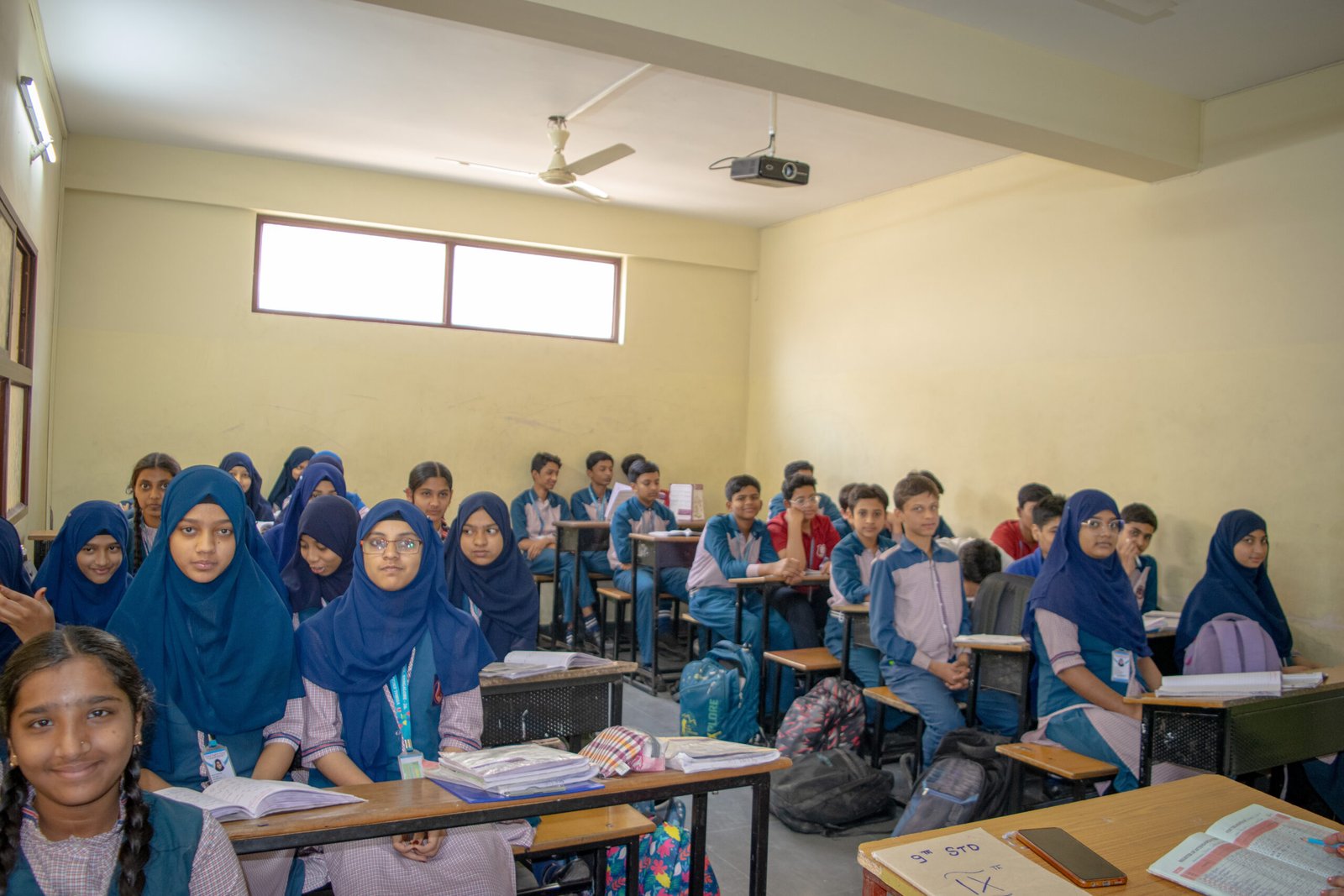
Digital Classroom
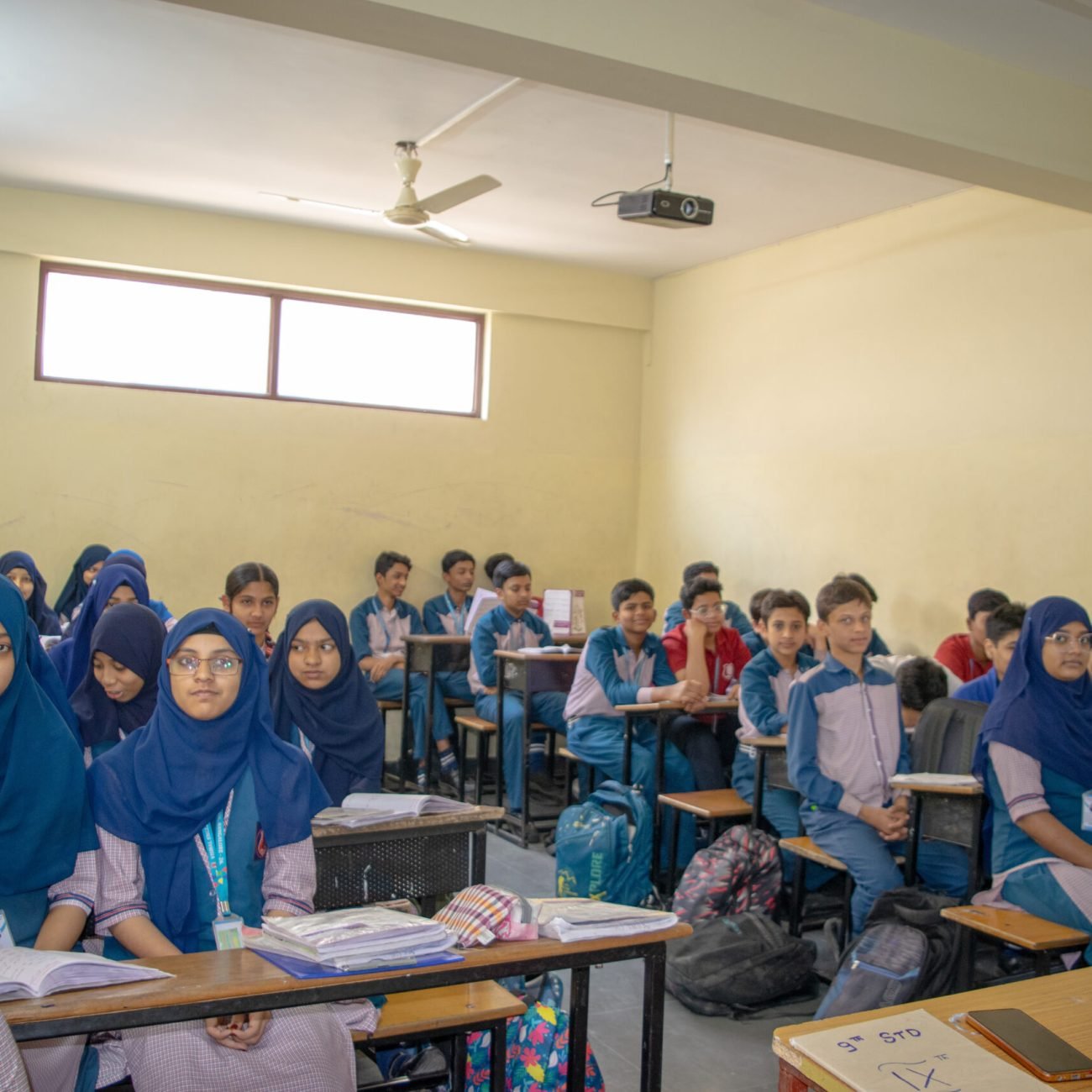
A Digital Classroom leverages technology to enhance and facilitate learning, moving beyond traditional physical spaces.
Labs
Comptuer Labs
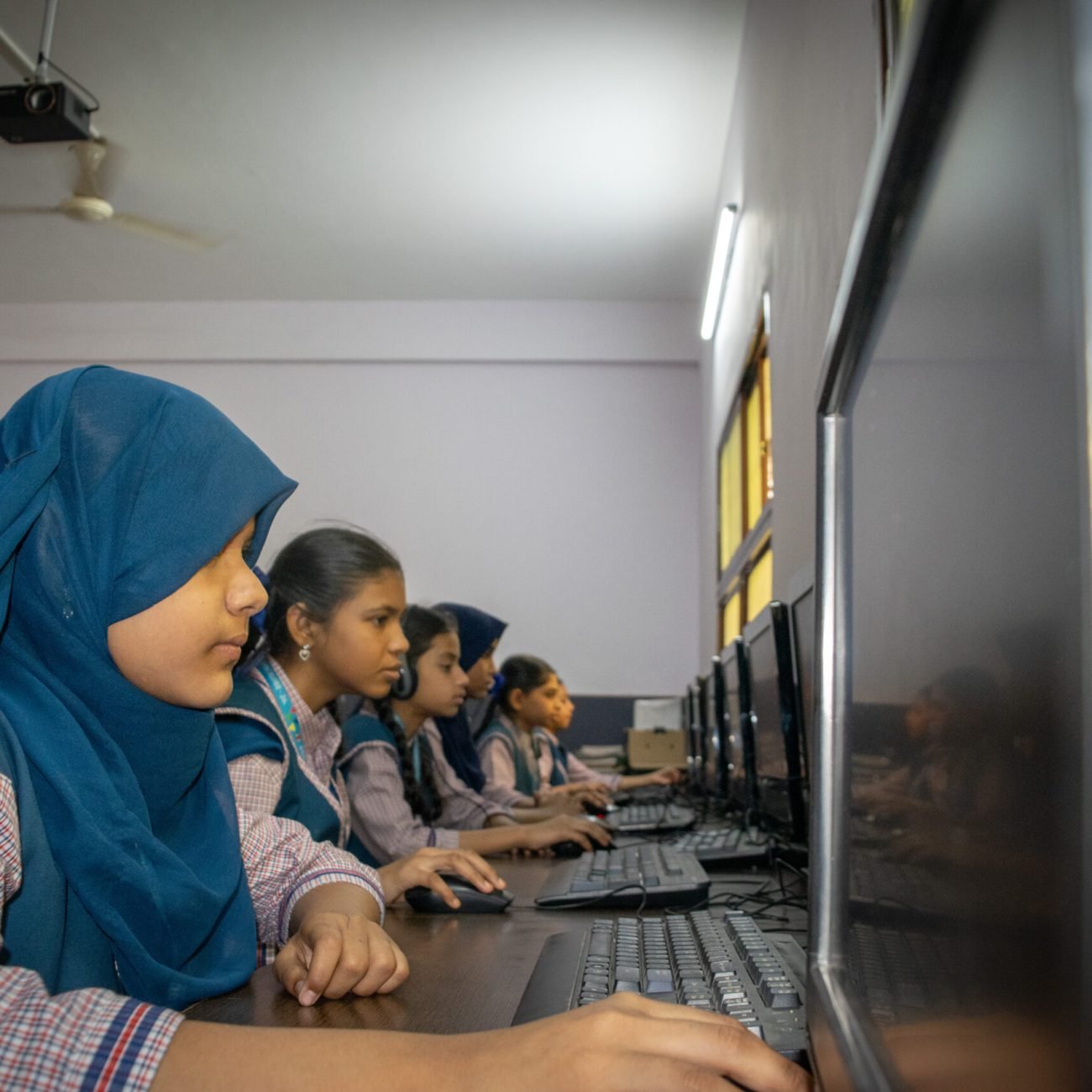
A Computer Lab is a dedicated, controlled space equipped with multiple networked computers and peripherals for a defined community (typically students, staff, or public users) to access technology resources. enabling structured teaching and social interaction.
Science Lab
A Science Laboratory is a specialized space designed for conducting scientific research, experiments, and analysis. It serves as a controlled environment where theories are tested, data is collected, and hands-on learning occurs.
Library
Library
It provides access to information and reading materials, fostering education, literacy, and personal development.
Environment
Eco-Friendly Operations: Implementing practices to reduce the library’s ecological footprint, such as resource conservation (water, energy), waste reduction, and promoting recycling.
Sports
Sports
A sport is generally defined as a physical activity or game that is often competitive and organized, aiming to maintain or improve physical ability and skills while providing enjoyment to participants and entertainment to spectators.
Importance of Sports
Physical Health Regular participation improves cardiovascular health, strengthens muscles and bones, increases stamina, and helps maintain a healthy weight.
Mental Well-being They reduce stress and anxiety, improve concentration and focus, and boost self-confidence

Safety
Safety
Secure Perimeter and Fencing Establish clear physical boundaries with secure fencing and gates to deter unauthorized access.
Discipline
School safety is a comprehensive topic that covers physical security, emergency preparedness, student well-being, and health protocols.